
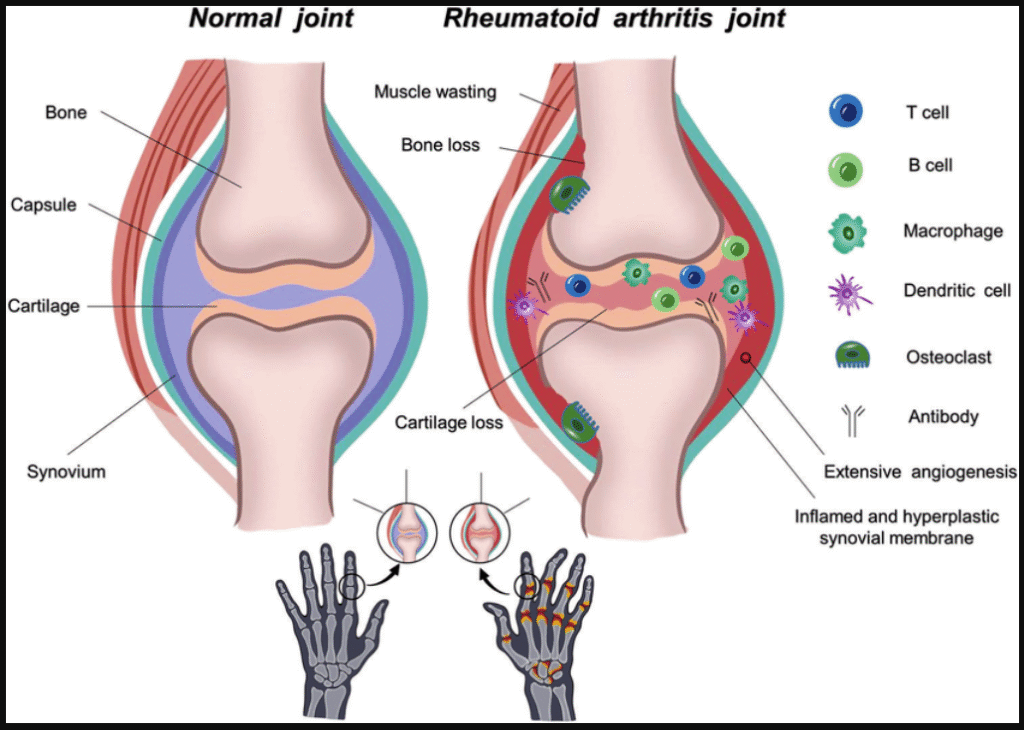
Rheumatism is a broad term used to describe a range of conditions that cause chronic, often painful inflammation in the joints, muscles, and connective tissues. Although the term is not commonly used in modern medicine, it is still widely recognized and often associated with diseases like rheumatoid arthritis, lupus, fibromyalgia, and osteoarthritis.
What Is Rheumatism?

Rheumatism includes a wide variety of rheumatic diseases that affect:
– Joints
– Muscles
– Tendons
– Ligaments
– Organs (in autoimmune cases)
These conditions may cause:
– Chronic joint pain
– Muscle stiffness
– Fatigue
– Swelling
– Reduced mobility
Common types of rheumatism include:
– Rheumatoid Arthritis (RA)
– Osteoarthritis (OA)
– Lupus
– Gout
– Fibromyalgia
What Causes Rheumatism?
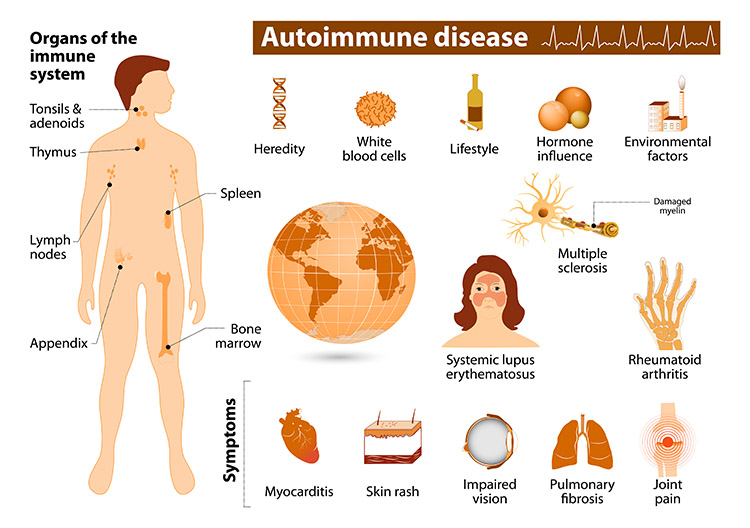
The root cause of rheumatic conditions depends on the specific disease, but common triggers include:
1. Autoimmune Reactions
2. Genetic Factors
3. Infections
4. Joint Overuse or Injury
5. Lifestyle Factors
6. Hormonal Imbalances
Treatment Options for Rheumatism
Treatment plans are personalized and may include:
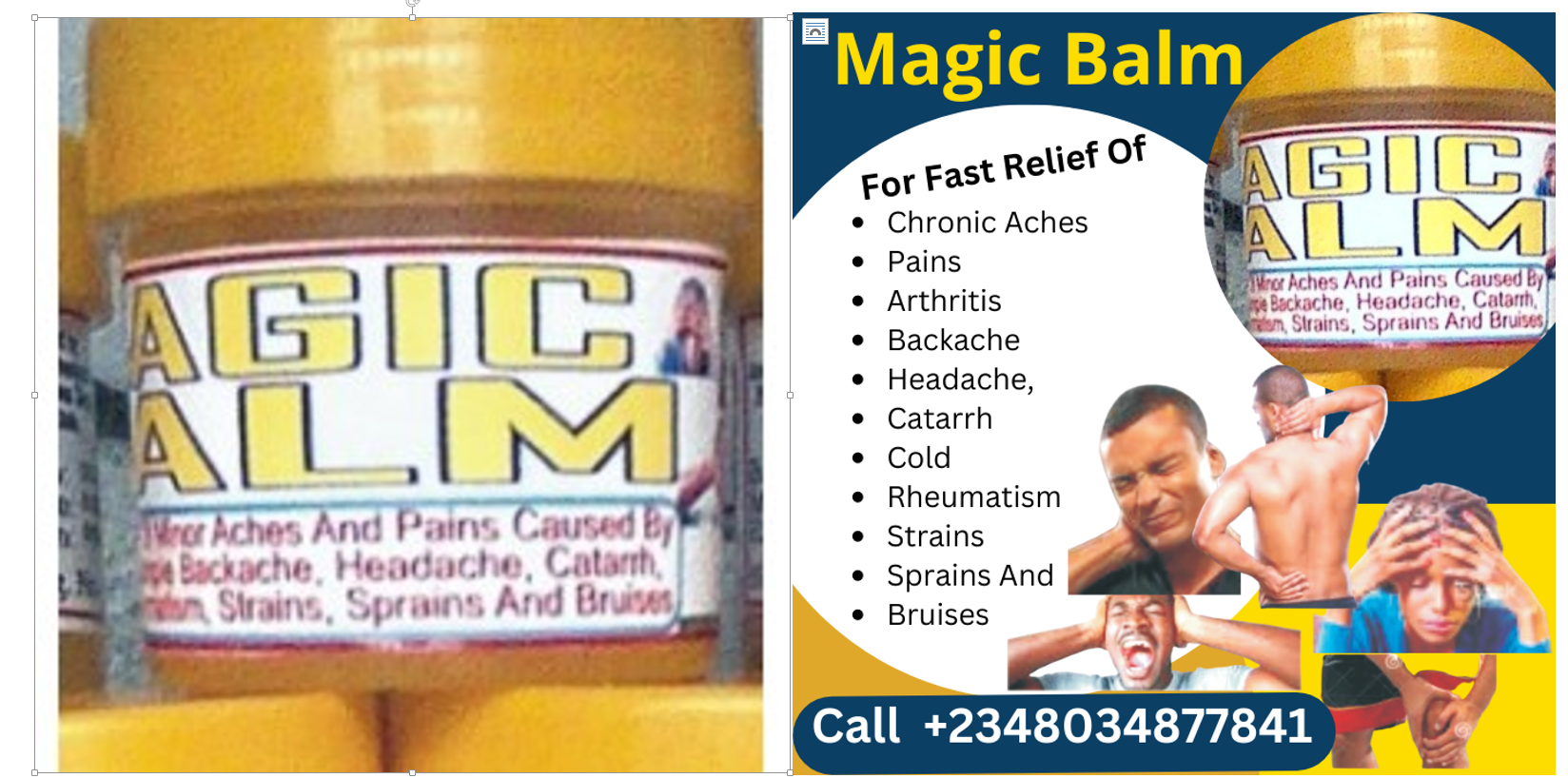
– Topical remedies such as Magic Balm, known for soothing joint and muscle pain naturally
– Medications (NSAIDs, corticosteroids, DMARDs, biologics, pain relievers)
– Physical therapy
– Lifestyle changes (diet, exercise)
– Surgery (in advanced cases)
Can Rheumatism Be Prevented?

Preventative steps include:
– Regular exercise
– Balanced, anti-inflammatory diet
– Avoiding smoking and alcohol
– Maintaining healthy weight
– Managing stress
– Monitoring family medical history
Final Thoughts

Rheumatism encompasses a group of conditions that can significantly impact your quality of life. Early diagnosis, effective treatment, and holistic remedies like Magic Balm can make a meaningful difference. If you’re experiencing joint or muscle pain, consult a healthcare provider for evaluation.